Author: Angie Pepper

When Curiosity Wrongs the Cat

Sneaky Cat
Creative Commons Qatar from QatarCC BY 2.0, via Wikimedia Commons

People are increasingly concerned with what we owe to other animals as a matter of justice. Philosophical writing on these issues typically takes two forms. First, there is conceptual work: thinking about how existing ideas such as liberty, citizenship, democracy, and legitimacy, might apply or be extended to include other animals. Second, there is normative work: thinking about how we should treat other animals. Both projects require that we know other animals; know something of their capacities, their experiences, their relationships, and the material conditions of their lives. Thinking about justice for animals, then, necessarily involves learning more about who they actually are.

(more…)
Is it Wrong to Make Animals Work for Us?

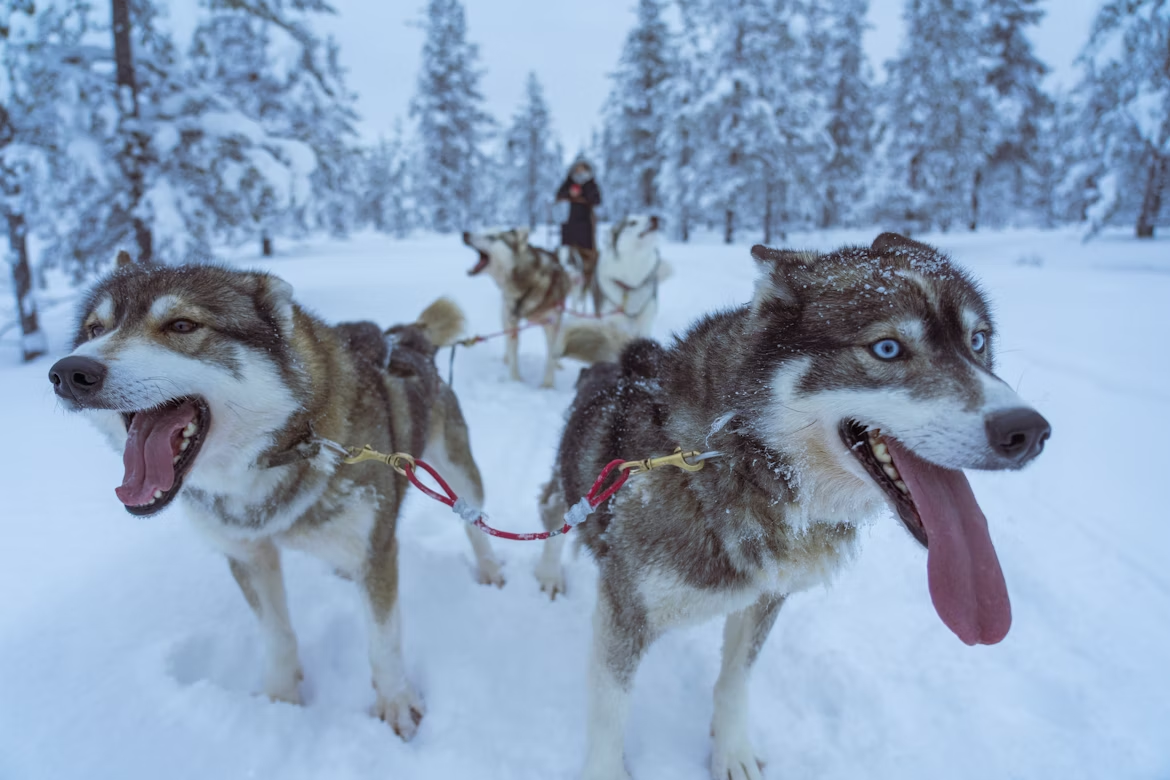
Husky ride in Lapland / Photo by Ugur Arpaci on Unsplash

In debates about the ethical dimensions of using nonhuman animal labour, people increasingly argue that some forms of labour are compatible with animals’ interests, including their interests in freedom. The reason for this is that animals can choose to cooperate with us and choose to work for us. These choices manifest themselves in the animals’ informed enthusiasm for the activity, and this affirmation is considered especially significant when the animal has meaningful opportunities for dissent but chooses not to take them up. Under such circumstances, some suggest that we can interpret the animal’s wilful engagement as a form of consent. Examples of the kinds of jobs that animals might consent to – compatible with their basic interests, like not being harmed – are some forms of human therapy, conservation work, sporting activities, and non-invasive research.

I disagree. I have argued elsewhere that an animal’s willingness to engage in discrete activities and interactions within a role is not sufficient to show that they consent to the role itself. Here I want to try out a different argument: the fundamental problem with making animals work for us is that it typically involves us usurping their purposive will and harnessing their bodily powers to achieve human-given ends.

(more…)

The Heart Wants What It Wants (But That Doesn’t Make It Right)

I have argued in previous posts (here and here) that we have good moral reasons to end the practice of keeping pets (for a full defence see here). Pet keeping involves the unjustifiable instrumentalisation of animals, sets back animals’ interests in self-determination, and exposes animals to unnecessary risks of harm. Not to mention the many attendant harms that the practice involves to farmed animals, wild animals and the environment. Given all this, we should seek to transition to a pet-free world.

In this post, I suggest we won’t be able to make progress towards a more just world for animals until we’ve engaged in some honest soul-searching about our desire to keep animals as pets.

(more…)

Free as a Bird?

We often use visual representations and metaphors involving animals to represent human freedom. Consider, for instance, “It’s time to spread to your wings”, “I couldn’t persuade her to do otherwise. It was like trying to hold back wild horses”, “She’s a bit of a lone wolf”, “A lion does not concern himself with the opinion of sheep”. Conversely, the caged animal often serves as a symbol of human suffering, imprisonment, and oppression.

Yet many philosophers do not think animals have a genuine interest in freedom. For these thinkers, freedom only matters for nonhuman animals insofar as it contributes to their welfare. On such a view, there is nothing wrong with enslaving – if it can be called that – a nonhuman animal provided we can keep them healthy and happy. By contrast, enslaving a human is never acceptable, no matter how happy you can make them. This is because humans (and perhaps a few of the so-called higher animals) have a unique noninstrumental interest in freedom, which means that freedom matters for its own sake and not for the sake of anything else.

(more…)

2024 Grand National: Horses, Harm, and Shared Responsibility

Horses have a purpose in life, just like us all. Unfortunately, when people go to work, sometimes bad things happen.

(AP McCoy, former jockey, quoted in The Telegraph)

On Saturday the 13th of April 2024, one of the world’s most famous horse races, the Grand National, is scheduled to take place. The race first took place at Aintree Racecourse in 1839, where it continues to be hosted, and this will be its 176th annual running. The race is very popular in the UK with 70,000 people in attendance last year, and ten million watching on TV. Beyond the UK, its appeal is wide-reaching with an estimated 600 million people watching across the globe. And it’s not just horseracing enthusiasts who get involved. People who usually have no interest in horseracing will watch the event, and workplace or family sweepstakes are common. In sum, the Grand National is an institution that is loved by many and enjoys significant national and global support.

(more…)

The Ethics of Keeping Pets: Why Love is Not Enough

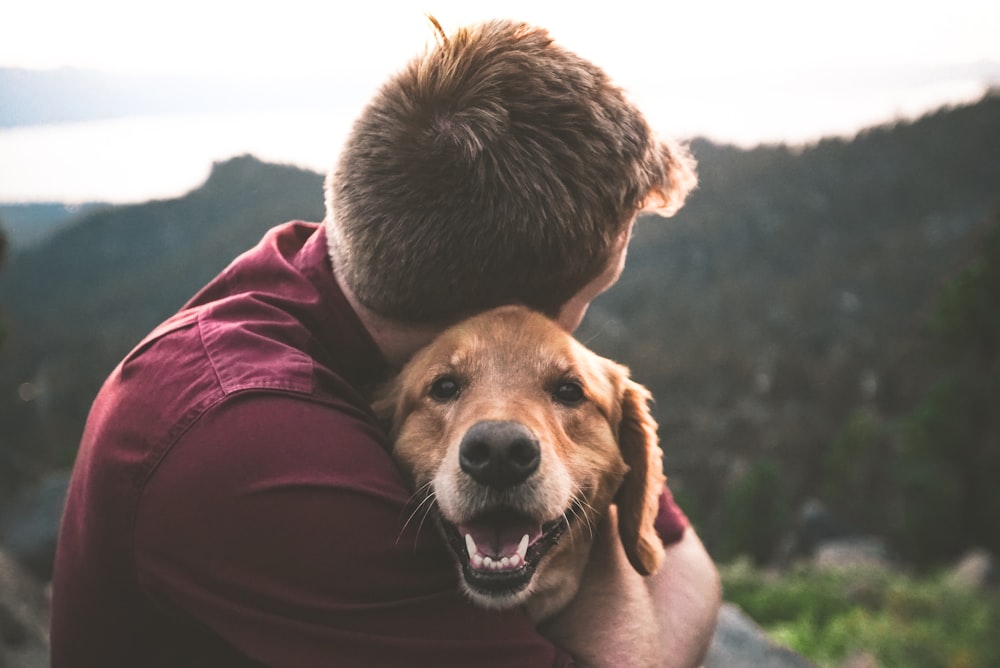
photo of man hugging tan dogPhoto by Eric Ward on Unsplash

I have been thinking about the ethics of keeping sentient animals as pets. As someone who has lived with dogs, cats, rats, mice, gerbils, rabbits, lizards, guinea pigs, and chickens, I have experienced first-hand the joy and companionship that such creatures can bring to our lives and the love that we can have for them. Yet, as a philosopher interested in animal ethics, I am aware of the many moral problems associated with our practice of keeping animals as pets. These problems have led me to reconsider human-animal companionship, and I have come to think that no matter how much we might love the animals we bring into our homes, we cannot justify doing so. (more…)

Why it’s Wrong to Spy on Animals

Humans like watching nonhuman animals. We watch them in parks, in zoos, on farms, in sanctuaries, in pet shops, in our gardens, on the streets, in our homes, on tv, and so on. Lately, we have developed increasingly innovative and ingenious ways of watching animals: ways of accessing their intimate lives without them knowing. Take, as an example, the BBC documentary “Spy in the Wild” in which “animatronic spy creatures infiltrate the animal world to explore their complex emotions”. (If you haven’t seen it, here’s a clip.) Or consider the proliferation of wildlife cams, zoo cams, and pet cams that are placed discretely in animals’ homes and give us unlimited access to their daily lives. Last year, a wildlife fan installed a camera within a birdbox to watch a family of blue tits and the footage was viewed 41 million times within a month of being uploaded. In 2017, 1.2 million people tuned in to watch April the giraffe give birth at Animal Adventure Park. (more…)

What Do We Owe to Pandemic Puppies?

For many, having an animal companion during the pandemic has been a blessing. Someone to keep you company, someone to play with, someone who brings you joy and gives you a reason to get out of bed. Indeed, in the UK, the Pet Food Manufacturers’ Association (PFMA) reported that 3.2 million households in the UK have acquired an animal companion since the start of the pandemic. This brings the total number of animal companions in the UK up to 34 million, including 12 million cats and 12 million dogs, and equates to 17 million households being responsible for an animal’s welfare. (more…)

The COVID-19 crisis: what should we do about the zoos?


Brown bear, Germany, 2016. Photo credit: Jo-Anne McArthur / Born Free Foundation

The global COVID-19 pandemic has forced many of us to reassess what we value, what kinds of communities we want to live in, and how we spend our money. The financial pressures caused by repeated lockdowns and rising unemployment means that many businesses and other organisations will not survive without targeted support. And, with so many in need of financial assistance, many of us are faced with the question of who we should help.

(more…)